
Afghan women’s sports in the 20th century
Throughout history Afghan women have faced significant opposition when it came to their participation in sports, during the early 20th century public participation was almost never seen as conservative cultural norms restricted women’s activities to inside the home.
During the 60s to late 1970s women’s sports saw growth in Afghanistan’s larger cities especially Kabul, women had almost the same opportunity and access to sports as men and school-affiliated girls’ teams in basketball and volleyball were common. Unlike men’s football which saw growth on the 20s, women’s football in Afghanistan did not have much opportunity to grow or gain formal status even during periods of modernization in the country which saw women have some sporting freedom. The safety and opportunity for women to participate in sports saw a decline after the soviet invasion and the subsequent civil war.
After they took over Afghanistan in 1996 the Taliban imposed strict bans on women’s participation in sports, it was viewed as a violation of their strict interpretation of Islamic law and modesty. Women were banned from public participation and forced to wear burqas.
A new era in the new century
Following the end of the Taliban era in the beginning of the 21st century (2001) Afghan women began participating in sports again. Women started playing football in secret, one of which is Khalida Popal. She started after inviting her friends to play in locations were their activities would be obscured and their games started growing as more girls started joining their group. This was met with backlash as some people were against the idea of girls in sports, they were accused of prostitution and at times spectators would throw rocks at them, threaten them and ruin their equipment.
“We faced so many odds against us, we were told and we were attacked many times we faced physical (attacks) and a lot of pressure, harassment and abuse from people in society where they told us we belonged to the kitchen” - Khalida Popal
The girls later found some support and were granted access to a NATO base which they could use to safely practice three times per week. Despite all the limitations they faced they were able to establish an official women’s national team with the help of the Afghanistan National Olympic committee, they scouted players in Kabul and held open trials throughout the country. The team trained on half of a tennis court in Kabul Women’s Garden, that same year they participated in their first tournament in Islamabad which was organized by the Pakistan Football Federation. They exceeded expectations and came second after losing in the final.
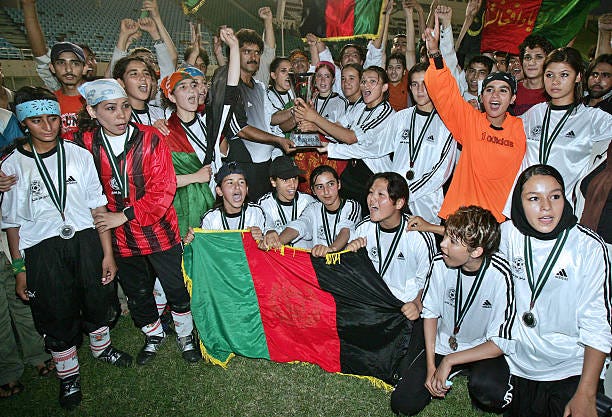
Throughout the 2010s the team participated in football tournaments and following the SAFF Women’s Championship—their first major tournament— participation in women’s football in Afghanistan increased and although there was no official national football league there were clubs formed in Kabul and some other cities like Bamiyan.
Abuse faced in the hands of the federation
In November of 2018 male staff of the Afghanistan Football Federation including the Federation’s president Keramuudin Karim were accused of sexually abusing the women’s football players. These reports of abuse included being forced to partake in sexual activities with officials to secure their roster spots on the team. The abuse by Karim was especially violent with players reporting physical abuse and rape, threats made towards them and their families’ safety if they said anything about his abuse and he would also make public accusations of lesbianism against his victims. It was a dangerous accusation in a country that is extremely anti-lgbt and came at a risk of death.
In 2019 Karim was banned from football for life by FIFA after an investigation had found him guilty, the Afghan government also issued a warrant for his arrest but he never got arrested.
The Taliban regains control
In 2021 the Taliban took over Afghanistan again and immediately enforced strict restrictions on women including banning women from participating in sports, women athletes faced threats of death and were forced to go into hiding and destroy any evidence of sports participation to avoid danger. Through efforts led by Khalida Popal with the support of lawyers, doners, governments and human rights bodies around the world over 100 players and their families were evacuated to Melbourne, Australia and other countries.
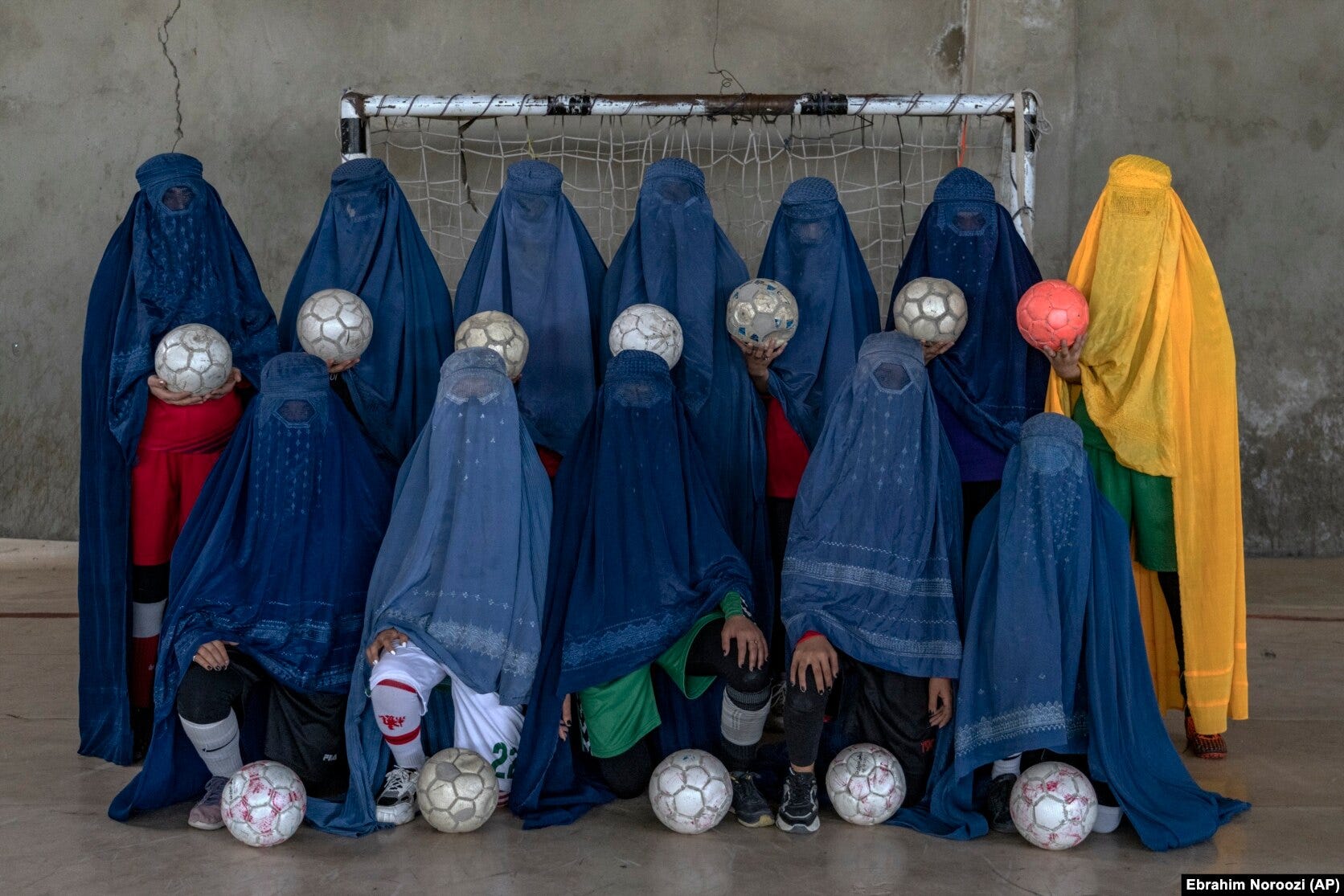
The team in the present day
Now the national team operates in Australia supported by Melbourne victory and they entered into football Victoria’s state league, in State League 4 West as ‘Melbourne Victory AWT’. Due to not being recognized as a national team by the Afghanistan Football Federation, FIFA’s governance regulations prevented it from recognizing the team and thus they couldn’t compete in international competitions and missed out on tournaments.
On Wednesday, 29th of April 2026, FIFA approved an amendment at a council meeting in Vancouver that means FIFA can approve the registration of a national or representative team under exceptional circumstances. This means the Afghan women’s national team can participate in international matches, and they will hold their next training camp from 1 to 9 June in New Zealand. A pleasant step forward in Afghan women’s football and hopefully a small stepping stone into what will be the greater liberation of all Afghan women.

No comments:
Post a Comment
Share your thoughts!